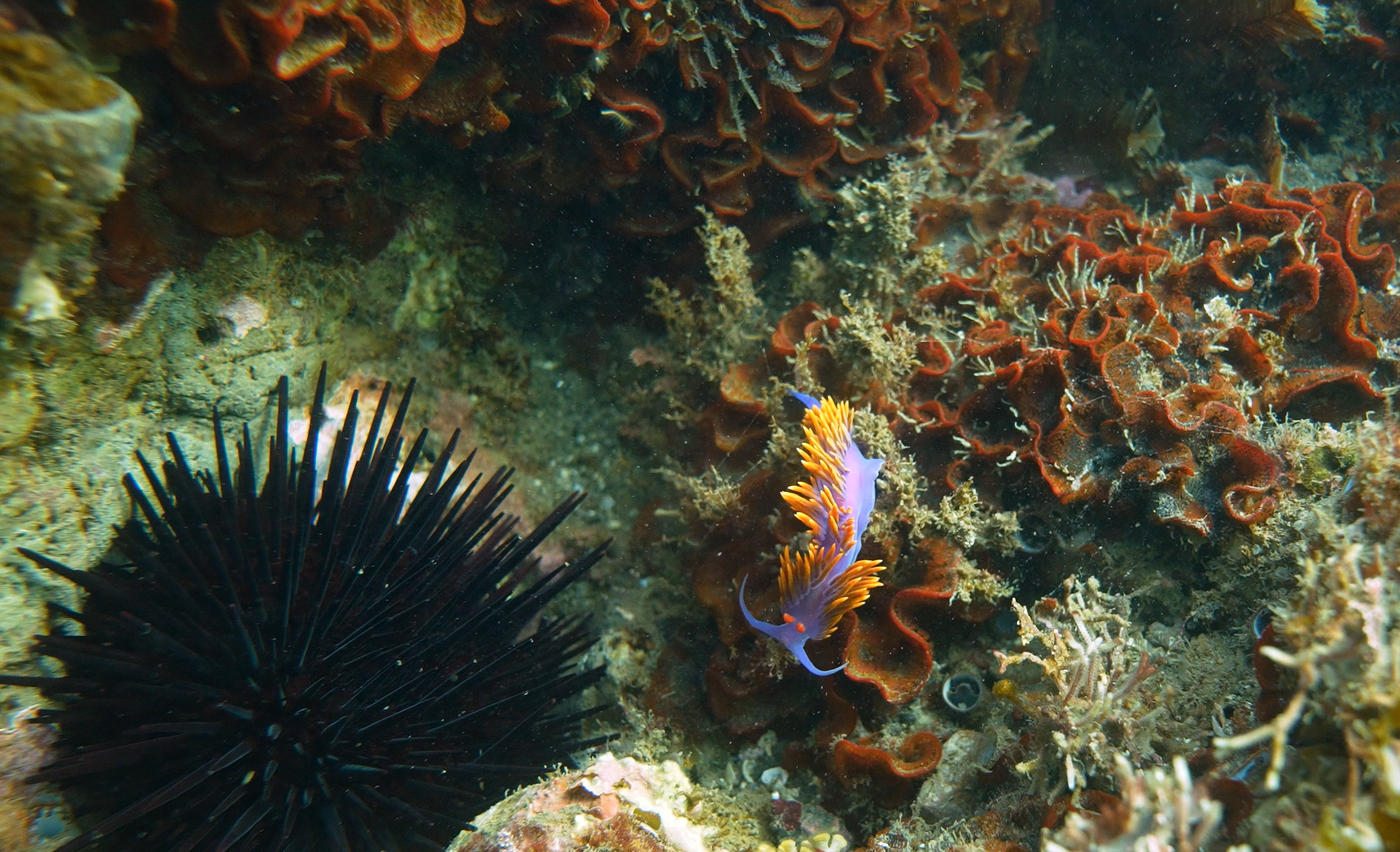
Protect
Mishopshno
Safeguarding Ocean Wildlife
Advancing Tribal
Co-Stewardship
Protect Mishopshno
Photo: Jordan Manning
Dive into the proposed Mishopshno SMCA.
Click here to watch the video on Youtube.
Mishopshno State Marine Conservation Area
A proposed marine protected area near Carpinteria that would be a place where everyone can experience the wonder and beauty of our coast, while honoring the rich history of the Chumash people and safeguarding kelp forests, rocky reefs, and a juvenile white shark nursery.
Sign the petition to protect Mishopshno
About Mishopshno State Marine Conservation Area
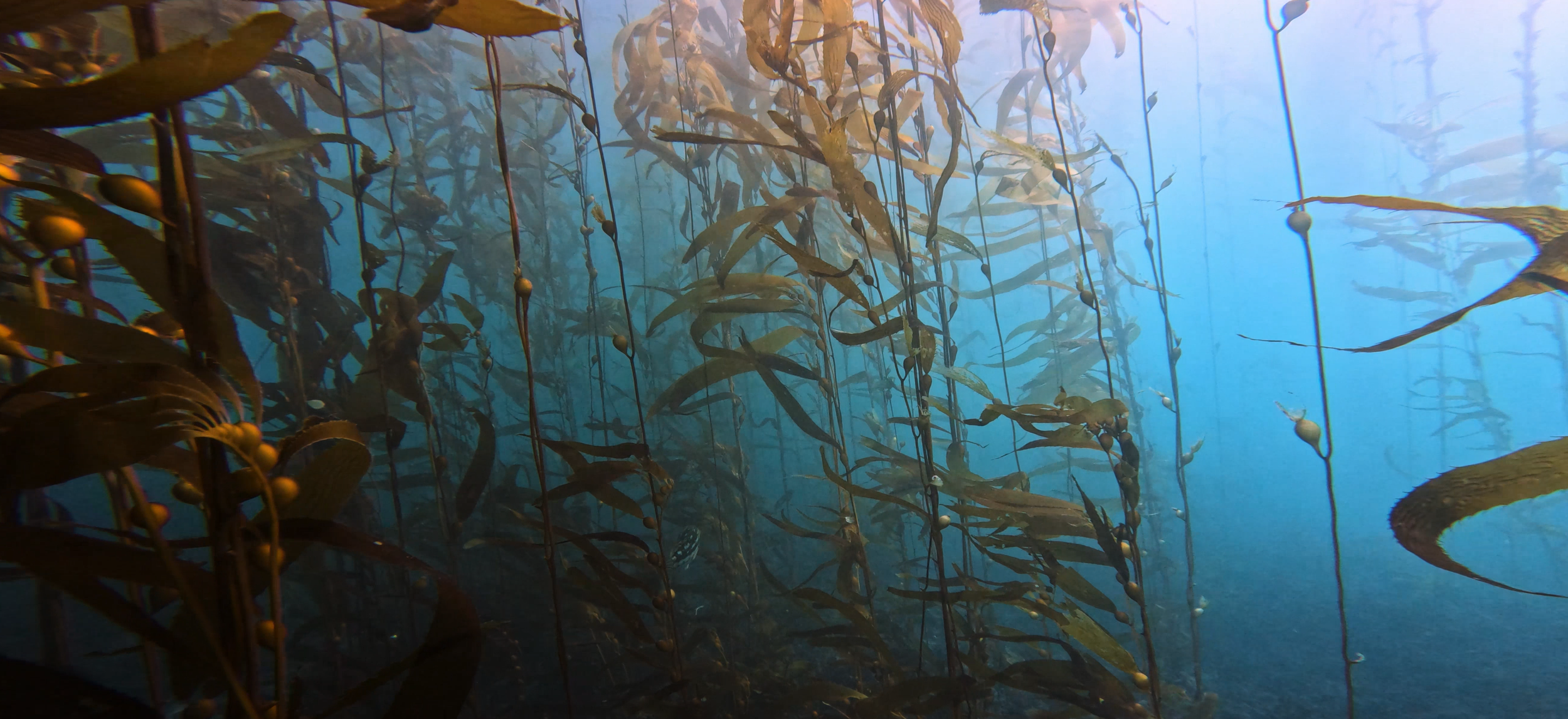
Photo: Jordan Manning
The proposed Mishopshno State Marine Conservation Area (SMCA) is co-sponsored by the Santa Ynez Band of Chumash Indians, Environmental Defense Center, and Natural Resources Defense Council.
If approved, it will be like an underwater state park—conserving kelp forests, rocky reefs, salt marsh, and a juvenile white shark nursery, while honoring the Chumash people, who have stewarded these lands and waters for millennia.
Along the Carpinteria coastline, this proposed protected area is a place of extraordinary ecological and cultural significance. By limiting most extractive uses, this habitat can recover and thrive, creating a healthier, more resilient ocean for people and wildlife alike.
Protecting Critical Habitat
Designating the Mishopshno SMCA would help restore the Chumash cultural connection to this special area while protecting essential habitats—including sandy beaches, rocky reefs, and persistent kelp forests—which help safeguard an important refuge for marine life and strengthen the resilience of the broader ecosystem.
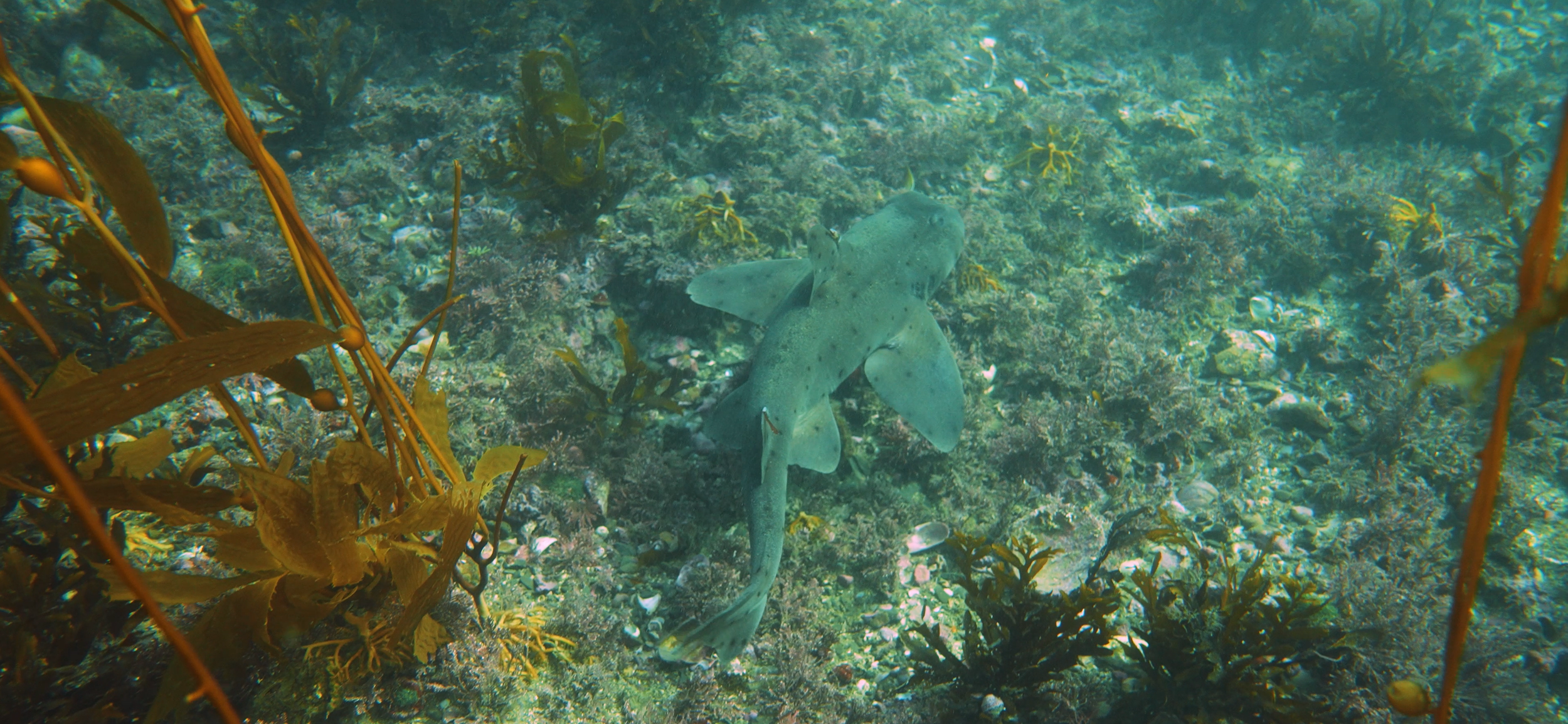
The proposal includes part of Carpinteria Reef, a 1.6-mile-long rocky reef that supports kelp forests and abundant marine life, including harbor seals, California sheephead, lobsters, abalone, and juvenile white sharks. This rare feature along the sandy Gaviota Coast has long been recognized for its ecological importance. In fact, protections for this area were proposed during California’s original MPA designation process over a decade ago.
Sadly, California’s iconic kelp forests are disappearing at an alarming rate, with losses exceeding 90% in some regions—threatening marine life, coastal communities, and overall ocean health. But persistent kelp forests, like those found here, provide stable habitat that supports biodiversity and ecosystem recovery.
Protecting this area would help safeguard one of these important kelp systems and critical habitat for juvenile white sharks that regularly aggregate in the region.
Photo: Jordan Manning
Chumash History and Culture
These waters are a culturally significant landscape. Chumash people have lived along the Santa Barbara Coast and Channel Islands for more than 10,000 years, stewarding and sustaining a profound relationship with the land and sea through deep ecological knowledge and cultural practice.
Mishopshno was one of the largest Chumash coastal villages, located near a biodiversity hotspot and natural tar seeps. It was a thriving center of Chumash boatbuilding, where tomols—traditional plank canoes—were constructed and launched for voyaging, trade, harvesting, fishing, and ceremony. These vessels connected island and mainland communities across a rich maritime cultural landscape.
The village holds deep spiritual significance. In Chumash tradition, Mishopshno is described as the end of the rainbow bridge connecting the Channel Islands to the mainland. When Spanish explorers arrived in 1769, they observed the extensive tomol building and named the area “La Carpinteria,” or “The Carpenter Shop”—the name of the town today.
Beginning in the 18th century, settler colonialism and state-sponsored violence in California disrupted these long-standing relationships to place, restricting access to land, waters, and cultural practices. Despite this history, Chumash people have continued to resist, maintain cultural traditions, and advocate for stewardship and sovereignty over their ancestral territories. Today, Chumash communities remain actively engaged in protecting the cultural and ecological integrity of this region.
Location of Mishopshno Village
A Healthy Seascape for All to Enjoy
Nearly 80% of Californians strongly support healthy marine protected areas, and more than two-thirds of California voters support adding the proposed Mishopshno SMCA to the state’s network.
The proposed Mishopshno SMCA is designed to protect marine life while allowing many recreational uses. Activities such as paddling, surfing, diving, wildlife viewing, tide pooling, and hook-and-line fishing from shore would continue to be allowed, while certain destructive activities would be prohibited.
Now is the Time to Act
We need your help to protect this special place and restore Tribal stewardship to a portion of Chumash ancestral waters!
Sign the petition to protect Mishopshno
Show your support at the October 15 Fish and Game Commission meeting
Write a letter of support and email it to fgc@fgc.ca.gov
Download the Fact Sheet
Join the Mailing List Below
California is undertaking its first-ever adaptive management process for the Marine Protected Area Network, informed by lessons learned from the first Decadal Management Review.
As part of that, the California Fish and Game Commission invited the public to submit proposals for changes to the network in 2023. Now, proposals such as the Mishopshno State Marine Conservation Area (SMCA) are being considered.
Since submitting the proposal, partners have conducted more than 100 meetings and engagement events with Tribes, stakeholders, and community members, and the proposal has been adapted to reflect that input—including feedback from Tribal communities, fishing, and recreational interests.
If approved, the Mishopshno SMCA would protect marine wildlife, support ecosystem recovery, advance Tribal co-stewardship, and fill a significant gap in California’s existing MPA network.
The California Fish and Game Commission will decide whether to approve or deny the Mishopshno SMCA proposal in October. Please consider joining the October 15 meeting in person or virtually to voice your support.
Photo: Jordan Manning